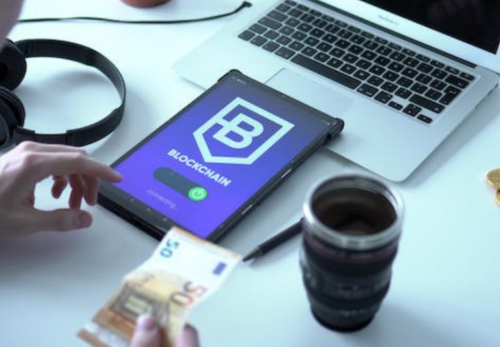

Blockchain-driven payment infrastructure orchestrates verifiable value transfer on distributed ledgers. It emphasizes consensus, tokenization, and interoperable interfaces to enable real-time settlement and cross-border liquidity. Standards-driven governance and privacy-preserving designs support auditable workflows within regulated and open networks. While scalable compliance and energy-conscious approaches are prioritized, the path to broad adoption remains contingent on interoperable ecosystems and robust oversight—prompting practitioners to consider practical steps that lie ahead.
What Is Blockchain-Driven Payment Infrastructure?
Blockchain-driven payment infrastructure refers to a system in which digital transactions are recorded, verified, and settled on a distributed ledger powered by blockchain technology.
The framework emphasizes transparency, security, and interoperability, enabling programmable value transfer.
It pursues privacy preserving mechanisms and energy consurance within scalable protocols, while aligning with standards.
This approach supports open innovation, regulatory clarity, and user autonomy through auditable, permissioned, or permissionless deployments.
Core Components: Consensus, Tokenization, and Interoperability
A robust blockchain-driven payment infrastructure hinges on three core components: consensus mechanisms, tokenization models, and interoperability frameworks. This analysis outlines how cross chain dynamics shape agreement, value representation, and cross-network liquidity, while reward mechanisms incentivize participation and security. Standardized interfaces and governance align stakeholders, enabling scalable, resilient ecosystems. The approach prioritizes interoperability, transparency, and forward-compatible design for broad, freedom-oriented adoption.
Real-World Use Cases and Reg Tech Implications
Real-world use cases for blockchain-driven payment systems span cross-border remittance, real-time settlement, programmable payroll, and merchant settlement with enhanced liquidity dashboards, each benefiting from transparent audit trails and verifiable finality.
The discussion emphasizes data portability and cross border fees, aligning regulators and industry toward interoperable standards, scalable compliance, and risk-aware innovation, enabling freedom to optimize flows, privacy, and user-centric value.
Risks, Governance, and Path to Adoption
What are the principal risks and governance considerations that must guide the path to adoption of blockchain-driven payment systems, and how can a disciplined, standards-based approach mitigate them?
The analysis emphasizes transparent oversight, interoperable protocols, and robust risk management. Privacy concerns and scalability challenges are addressed through modular architectures, auditable governance, and performance benchmarks that sustain freedom while ensuring trust, resilience, and compliant evolution.
Frequently Asked Questions
How Do Cross-Border Settlements Work on Blockchain Payments?
Cross-border settlements on blockchain payments occur via tokenized value transfer across distributed ledgers, enabling near real-time settlement timing, liquidity management, and irrevocable finality; protocols standardize messaging, governance, and interoperability to support interoperable, freedom-focused financial infrastructures.
What Are the Cost Dynamics of Blockchain Payment Rails?
Cost dynamics in payment rails are influenced by network throughput, settlement latency, liquidity costs, and fee schedules; efficiencies emerge from scalable consensus, off-chain channels, and interoperability standards, enabling predictable pricing, competitive margins, and freer cross-border value transfer.
How Is Customer Data Privacy Preserved in These Systems?
Privacy by design governs how customer data is protected; data minimization, cross border settlements, and settlement finality ensure confidentiality, while cost dynamics and fee models, governance models, stakeholder alignment, regulator evaluation, and compliance metrics drive enduring trust and freedom.
See also: speednewscentral
What Governance Models Ensure Long-Term Sustainability?
Governance models ensure long-term sustainability by embedding transparent funding, accountability, and modular decision-making. They emphasize governance funding stability and robust reputation systems, aligning incentives with open standards, ongoing audits, and adaptive frameworks that uphold user autonomy and systemic resilience.
How Do Regulators Evaluate Blockchain Payment Transactions?
Regulators evaluate blockchain payment transactions through systematic regulatory oversight and rigorous transaction auditability, ensuring compliance, traceability, and risk containment while preserving innovation, freedom, and interoperability in a future-forward, standards-driven financial ecosystem.
Conclusion
Blockchain-driven payment infrastructure enables transparent, secure value transfer with real-time settlement, governed by interoperable standards and robust governance. A compelling statistic: cross-border payment latency can exceed 2–5 days today, yet blockchain pilots have demonstrated settlement in minutes to seconds. This highlights transformative efficiency gains, while maintaining regulatory clarity through auditable workflows. Moving forward, standardized protocols, privacy-preserving designs, and scalable compliance will drive broader adoption across regulated and open networks in a principled, forward-thinking manner.