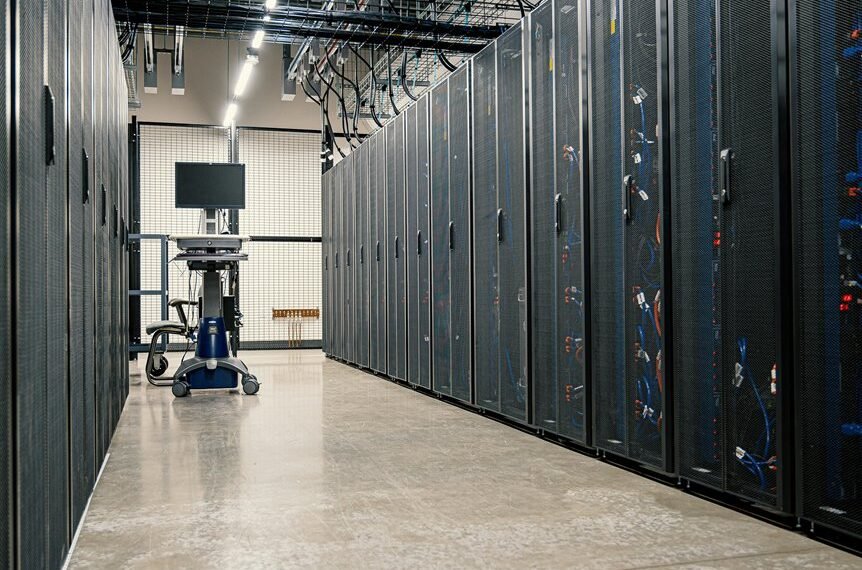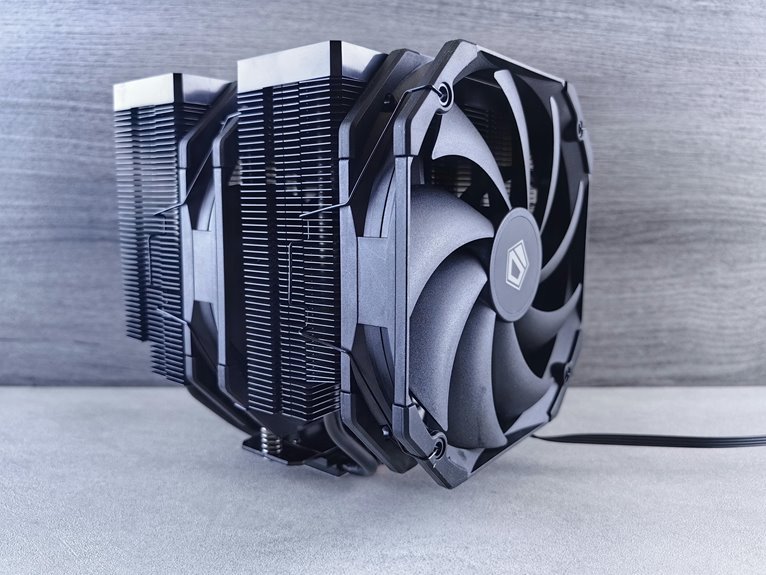

The performance of Smart Digital Systems 672538896 raises important questions about its capabilities and impact across various sectors. Its user experience and interface are notable, yet they prompt further analysis of underlying performance metrics like speed and reliability. Understanding how these features translate into real-world applications can reveal much about the system’s effectiveness. What implications does this have for its future development and integration into daily life?
Key Features Driving Performance of Smart Digital Systems 672538896
The performance of smart digital systems hinges on several key features that enhance their functionality and efficiency.
A seamless user experience is paramount, as intuitive interfaces foster user engagement. Additionally, robust data security measures are essential, safeguarding sensitive information while enabling users to navigate freely.
These interconnected features create a framework that not only meets user demands but also prioritizes their safety and autonomy in the digital landscape.
Performance Metrics: Speed, Reliability, and Efficiency
How do speed, reliability, and efficiency converge to define the performance of smart digital systems?
Analyzing performance benchmarks reveals that system optimization hinges on these three metrics. Speed facilitates rapid data processing, reliability ensures consistent operation, and efficiency maximizes resource utilization.
Together, they create a robust framework that empowers users to achieve desired outcomes while enjoying the freedom of responsive and dependable technology.
Real-World Applications and Use Cases of Smart Digital Systems 672538896
Numerous industries have begun to harness the capabilities of smart digital systems, illustrating their transformative potential across various domains.
In the smart home sector, these systems enhance energy efficiency and user convenience.
Meanwhile, in industrial automation, they optimize production processes and reduce downtime.
Such applications highlight the adaptability of smart digital systems, ultimately fostering innovation and efficiency in diverse environments.
Future Trends: What’s Next for Smart Digital Systems’ Performance?
As industries continue to adopt smart digital systems, the future of their performance is poised for significant advancements.
AI advancements will enhance decision-making processes, leading to improved efficiency.
Furthermore, a focus on user experience will ensure that these systems remain intuitive and accessible.
As technology evolves, the interplay between AI and user-centric design will redefine performance standards, fostering greater autonomy for users.
Conclusion
In conclusion, the performance of Smart Digital Systems 672538896 is not merely impressive; it is nothing short of revolutionary. With its unparalleled speed, unwavering reliability, and unmatched efficiency, this system transcends traditional boundaries, redefining user engagement across sectors. As AI continues to evolve, one can only speculate the heights to which this remarkable technology will soar, promising a future where user autonomy and decision-making capabilities are magnified to extraordinary levels. The horizon appears boundless.